Technologies and Trends Forming the Future of Aluminum Casting in Engineering Solutions
Technologies in aluminum casting are changing engineering options. Advancements in casting strategies, particularly high-pressure die casting and financial investment casting, are enhancing accuracy and layout versatility. Automation and wise technologies play a crucial function in enhancing production performance. Sustainability is ending up being a priority, with environmentally friendly products getting grip. As these patterns advance, they will certainly redefine market standards and customer expectations. What effects might these changes hold for the future of production?
Developments in Casting Techniques
The Role of Automation in Aluminum Casting
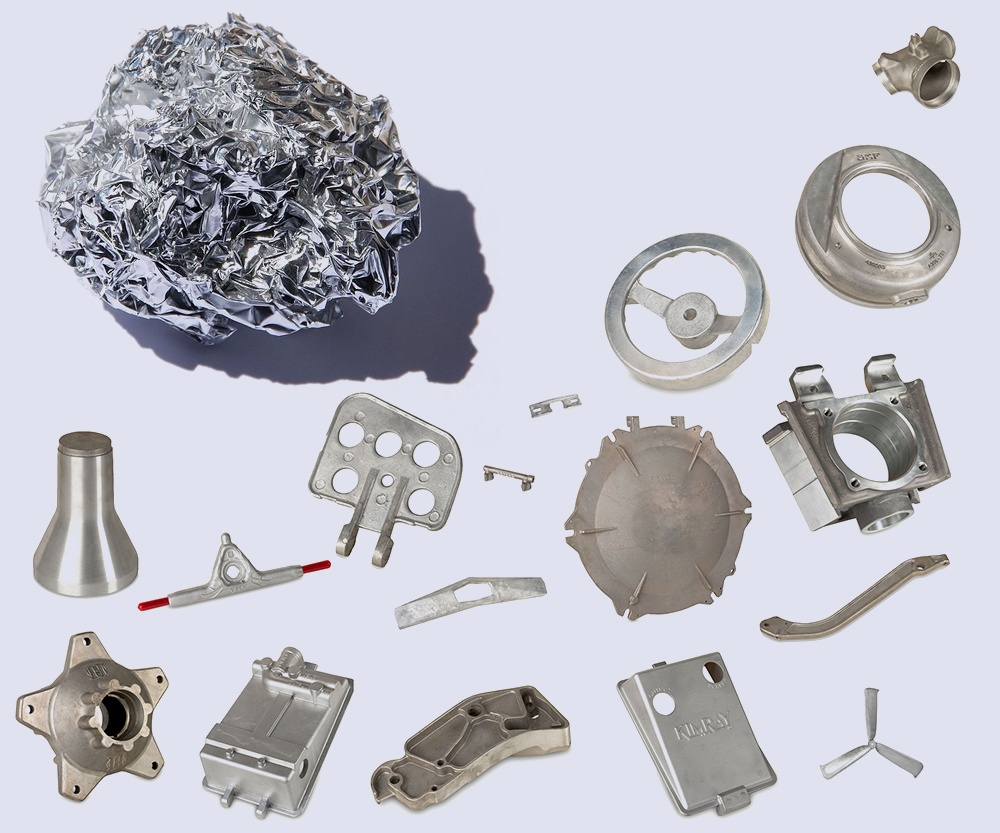
Automation plays a pivotal duty in enhancing the aluminum casting process by considerably boosting production efficiency. By incorporating innovative innovations, producers can streamline procedures and minimize cycle times (Aluminum Castings). Additionally, automation adds to boosted quality control, ensuring consistent product standards and reducing flaws
Enhanced Manufacturing Effectiveness
Revolutionizing the aluminum casting market, automation significantly boosts production performance. Automated systems improve numerous stages of the casting procedure, decreasing hand-operated labor and reducing human mistake. High-speed robot arms can exactly take care of molds, making certain constant and rapid manufacturing cycles. On top of that, progressed computer system algorithms enhance the organizing and administration of resources, resulting in decreased downtime and improved operations. Automation also enables real-time tracking and modifications, enabling manufacturers to react quickly to any kind of functional problems. By executing automated processes, business can increase outcome while preserving cost-effectiveness. Inevitably, this shift in the direction of automation not just improves efficiency however also positions suppliers to satisfy the growing needs of the market with better dexterity and sustainability.
Improved Top Quality Control
A substantial development in aluminum casting is the combination of computerized quality control systems, which enhance item uniformity and lower issues. These systems utilize advanced sensors and data analytics to keep track of the casting process in real-time, enabling immediate modifications based on top quality metrics. Automation minimizes human mistake and increases the dependability of evaluations, making certain that each component fulfills rigorous requirements. By applying artificial intelligence formulas, suppliers can anticipate prospective failures and proactively address issues prior to they intensify. This not just boosts the general quality of aluminum items but likewise simplifies the manufacturing process, leading to boosted efficiency and cost financial savings. Ultimately, boosted quality control with automation represents a transformative action in the aluminum casting sector.
Smart Technologies and Market 4.0 Integration
The integration of clever modern technologies and Market 4.0 in aluminum casting is transforming manufacturing procedures. With the Net of Things (IoT) improving real-time surveillance, automation and robotics are improving procedures, while information analytics supply important insights for optimization. These improvements are setting new criteria for efficiency and precision in the industry.
IoT in Casting Processes
Just how can the assimilation of IoT technologies improve the efficiency and accuracy of aluminum casting procedures? The application of IoT in casting allows real-time monitoring of temperature level, pressure, and other critical specifications, making sure perfect problems throughout production. Sensing units connected to the cloud can gather and analyze information, facilitating predictive upkeep and lowering downtime. By employing smart algorithms, manufacturers can recognize anomalies that could lead to issues, thus enhancing quality assurance. Additionally, IoT innovations allow seamless interaction in between equipments, permitting collaborated procedures and source optimization. This interconnectedness not only streamlines workflows however likewise improves decision-making capacities, eventually bring about substantial expense savings and greater productivity in aluminum casting procedures.
Automation and Robotics Advancements
While the combination of automation and robotics is changing the aluminum casting sector, advancements in clever innovations and Sector 4.0 are driving unmatched performance and accuracy. Automated systems now deal with recurring jobs, reducing human mistake and raising manufacturing speeds. Robotics in casting processes permits enhanced handling of complicated shapes and fragile parts, guaranteeing regular high quality. In addition, the use of collective robotics, or cobots, improves employee safety and security by taking over harmful operations. Smart technologies assist in real-time surveillance and adjustments, enhancing assembly line without manual intervention. As these innovations advance, they create an extra nimble and responsive production atmosphere, allowing companies to adjust swiftly to market needs and improve general competitiveness in the aluminum casting field.
Information Analytics for Optimization
As automation and robotics continue to reshape the aluminum casting industry, the consolidation of information analytics arises as an essential element of Smart Technologies and Market 4.0. By leveraging large datasets created throughout the manufacturing process, manufacturers can recognize inadequacies, maximize workflows, and boost item quality. Advanced formulas and device understanding tools enable predictive upkeep, reducing downtime and lowering functional costs. In addition, real-time information analysis sustains educated decision-making, permitting dexterous reactions to market demands. The integration of data analytics not only simplifies production procedures however additionally fosters innovation in product growth. As the industry progresses, embracing data-driven techniques will be essential for companies intending to keep competitive advantages and accomplish lasting development in the aluminum casting field.
Additive Manufacturing in Aluminum Solutions
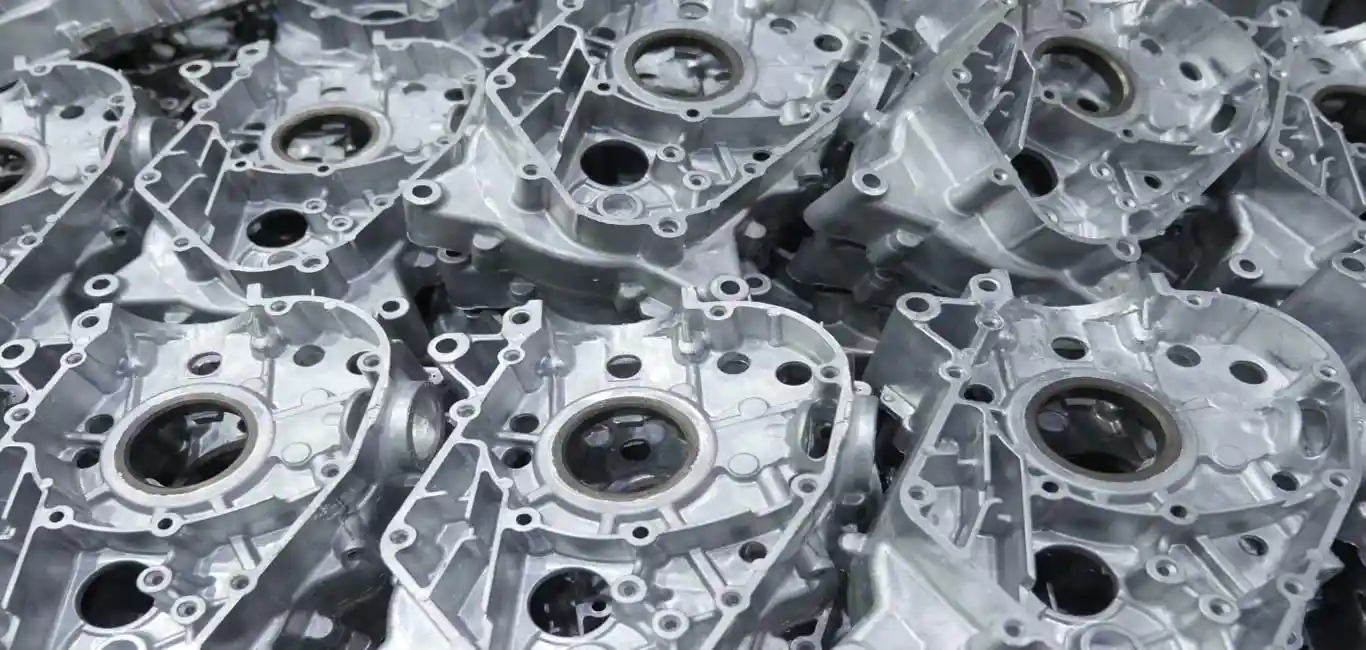
Furthermore, additive manufacturing speeds up the prototyping procedure, enabling quick version and style optimization. It facilitates the modification of parts, accommodating details client needs without the restraints of standard casting methods. The assimilation of sophisticated software program devices aids in imitating and refining designs before production, ensuring efficiency and accuracy. As the aluminum casting landscape develops, additive production attracts attention as a transformative force, fostering development and opening new methods for engineering options across numerous industries.
Lasting Practices and Recycling Initiatives
Sustainable methods and recycling initiatives are ending up being increasingly crucial in the aluminum casting industry, provided the expanding focus on environmental duty. Suppliers are taking on techniques that reduce waste and power consumption, thereby decreasing their carbon footprint. One popular fad is making use of recycled aluminum, which needs considerably much less power to process compared to main aluminum production. This shift not only preserves all-natural sources but likewise reduces greenhouse gas exhausts.
On top of that, cutting-edge casting strategies, such as die-casting and sand casting, are being optimized for sustainability, boosting material efficiency. Business are also purchasing check my source closed-loop systems that help with the reprocessing of scrap metal generated during manufacturing. Partnerships with reusing firms are fostering a more efficient reusing facilities, making sure that aluminum products have a longer lifecycle. Jointly, these campaigns emphasize the market's commitment to sustainability while fulfilling the growing demand for eco responsible remedies in engineering applications.
Lightweight Materials for Boosted Performance
The aluminum casting sector is not only concentrating on sustainability but likewise on the growth of light-weight products that improve efficiency across various applications. These products are increasingly vital in sectors such as automobile, aerospace, and customer electronics, where minimizing weight can bring about improved fuel effectiveness and total performance. Advanced aluminum alloys and composites are being engineered to accomplish premium strength-to-weight ratios, enabling suppliers to develop components that are both robust and lightweight.
Innovations in casting strategies, such as high-pressure die casting and investment casting, promote the manufacturing of detailed styles while minimizing product waste. This change towards lightweight products is not just changing product designs but also driving competitive benefits in efficiency and effectiveness. As markets continue to prioritize weight decrease, the need for innovative aluminum casting remedies will likely expand, positioning light-weight products as a foundation of future engineering technologies.
Meeting the Needs of Eco-Conscious Customers
As consumers progressively prioritize eco-friendliness in their acquiring decisions, the aluminum casting market is adapting to satisfy these developing demands. Manufacturers are currently concentrating on sustainable techniques, such as utilizing recycled aluminum, which considerably lowers power intake and greenhouse gas emissions compared to key aluminum production. Aluminum Castings. This change not only conserves all-natural sources however likewise charms to eco aware consumers
Furthermore, cutting-edge casting strategies are being established to minimize waste and improve energy effectiveness during manufacturing. Business are also checking out biodegradable coatings and green ingredients to further lower their ecological effect.
Transparency in supply chains is coming to be vital, with brand names supplying info about their sourcing and producing processes. By straightening with the worths of eco-conscious customers, the aluminum casting market is placing itself for a lasting future, demonstrating that ecological duty can coexist with top notch design services.
Often Asked Questions
What Industries Primarily Make Use Of Aluminum Casting Solutions?
Aluminum casting solutions are mainly utilized in vehicle, aerospace, and customer products sectors. These fields profit from aluminum's lightweight residential or commercial properties, corrosion resistance, and convenience, making it an excellent option for numerous applications and elements.
Just How Does Aluminum Casting Compare to Other Steel Casting Techniques?
Aluminum casting deals light-weight residential properties, outstanding corrosion resistance, and excellent thermal conductivity contrasted to other metal casting techniques. Aluminum Castings. Its adaptability and performance make it a favored choice in various applications, specifically in auto and why not check here aerospace industries
What Accreditations Are Essential for Aluminum Casting Manufacturers?
What Prevail Defects in Aluminum Casting and Their Causes?
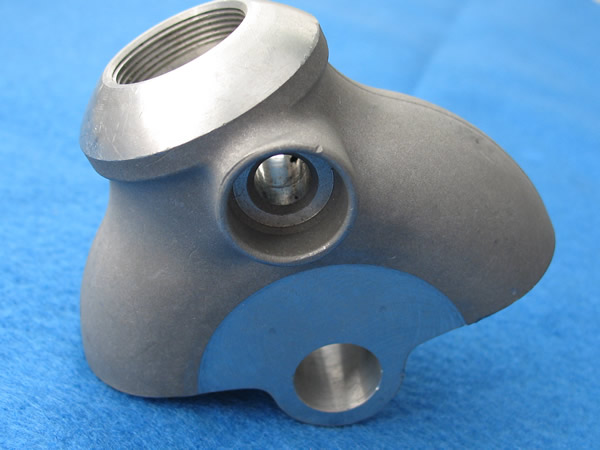
Typical issues in aluminum casting include porosity, shrinkage, and surface area blemishes. These concerns frequently arise from improper pouring strategies, inadequate temperature level control, and contamination, impacting the structural stability and aesthetic top quality of the end product.
How Can I Select the Right Aluminum Alloy for My Task?
Selecting the appropriate aluminum alloy entails taking into consideration factors such as mechanical residential properties, deterioration resistance, thermal conductivity, and application needs. Examining these standards aids guarantee peak performance and long life for the details project concerned.